

I understand the instinct. If you are building a B2B SaaS platform, a fintech product, or an AI tool — something serious, something technical, something that solves a real problem — the idea of your brand appearing on TikTok alongside dance trends and food content can feel like a category error.
I want to challenge that assumption directly — because it is costing tech brands a genuine competitive advantage, and the window for acting on it is already closing.
What is actually happening on TikTok and Instagram Reels
The perception of TikTok as a platform exclusively for Gen Z entertainment is about three years out of date. TikTok’s user base has grown significantly older, and the content categories generating the most sustained engagement now include professional skills, career content, tech explainers, and founder stories.
Search “SaaS” on TikTok and you will find founders with hundreds of thousands of followers, product managers explaining build decisions, and engineers narrating the technical challenges behind the tools people use every day. This content is not struggling — it is thriving.
Instagram Reels tells a similar story. The Reels algorithm actively distributes short-form video to audiences who do not already follow the account — making it the most effective organic reach mechanism on the platform.
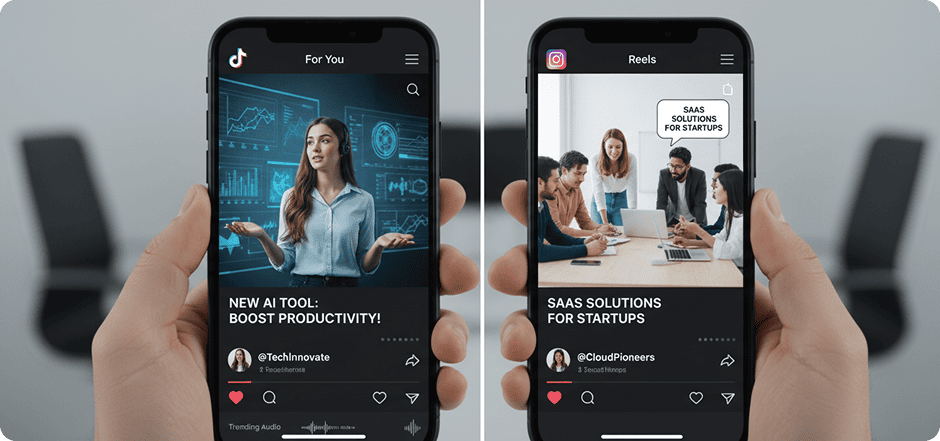
The question is not whether there is an audience for tech content on short-form platforms. There clearly is. The question is whether your brand is part of the conversation or watching from the side lines.
The B2B objection — and why it misses the point
The most common objection is a version of this: “TikTok is a consumer platform. Our customers are CTOs and procurement leads. They are not making purchasing decisions based on TikTok content.”
This objection contains a grain of truth and a significant misunderstanding. TikTok is not primarily a direct B2B lead generation channel. But conflating short-form video with direct lead generation misses the actual opportunity entirely.
Short-form video serves three distinct strategic purposes for tech brands — none of which require a CTO to be watching TikTok during their commute.
The question is not whether there is an audience for tech content on short-form platforms. The question is whether your brand is part of the conversation.
Three strategic reasons to invest in short-form video now
1. Talent acquisition — the most immediately commercial reason
Tech faces a talent challenge that is well documented: competition for engineers, designers, and product talent from companies that have historically been better at communicating why their work is compelling.
Short-form video is the single most effective format for reaching engineers and early-career professionals where they actually spend their time. A 90-second TikTok from a developer explaining what they are building — filmed at their desk, in their own words — will reach more potential candidates in a week than a graduate recruitment campaign will in a year.

2. Brand presence with the next generation of decision-makers
The procurement leads and CTOs making purchasing decisions today were not influenced by TikTok. The ones who will be making those decisions in five years are on it now. Brand awareness built through short-form video with today’s senior engineers and product leads does not generate a contract this quarter. It generates brand familiarity that shapes decisions over the following decade.
3. Organic reach that other formats cannot match
LinkedIn’s organic reach for company pages is limited and declining. TikTok and Instagram Reels are the last major platforms where genuinely good content can reach a large, relevant audience without paid amplification. This will not last indefinitely — but right now, the opportunity is significant and largely untapped.
What good short-form tech content actually looks like
The instinct of most tech marketing teams is to produce a version of their existing content — polished, corporate — but in a shorter format. This is almost always a mistake. Short-form platforms reward authenticity, specificity, and genuine expertise. They punish content that looks like a television advertisement.
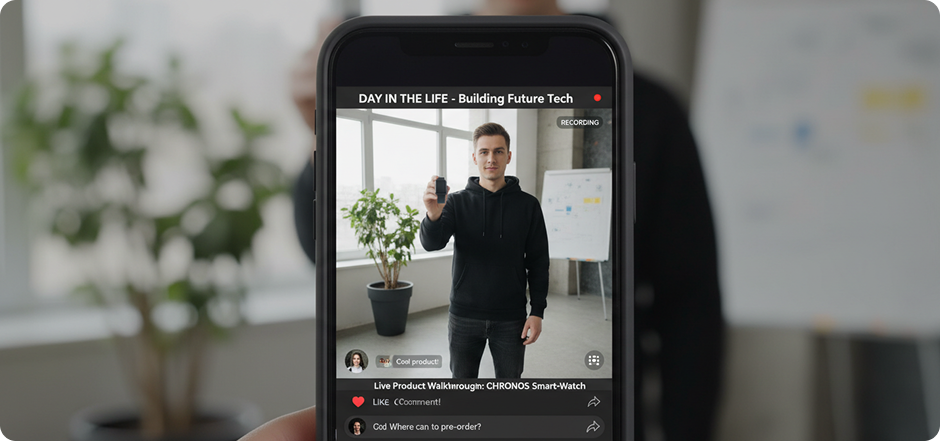
The best-performing tech content on TikTok and Reels shares several characteristics. It is specific — not “we are proud to be a leading SaaS company” but “here is exactly why we rebuilt our authentication system from scratch, and what we learned.” It features real people with real expertise. And it treats the audience as intelligent.
Three starting content types for tech brands new to short-form
“Day in the life” content
A short film following an engineer, designer, or founder through a working day. Filmed with a phone. Edited to 60–90 seconds. Captioned. This content consistently generates strong engagement because it shows audiences what building a tech company actually looks like.
“Did you know?” technical explainers
Short, specific explanations of technical subjects — delivered by someone with genuine expertise. “Did you know that our API handles 2 million requests per second?” followed by 60 seconds of genuine explanation from the engineer who built it.
Behind-the-scenes access content
Tech workspaces are genuinely interesting environments — and most people have never seen inside a scale-up building a real product. A 60-second walkthrough of your office, a time-lapse of a product sprint, or a team reaction to a major deployment. This content works because it offers authentic access.
The cost of waiting
Every quarter that a tech brand delays investing in short-form video is a quarter in which a competitor — or a start-up with no brand heritage but a good content team — is building the audience, the algorithm familiarity, and the organic reach that will be significantly harder to build once the market matures.
The tech brands that commit to short-form video in 2026 will own that space in 2029. The ones that wait until it is obvious will be starting from zero in a crowded market.
The camera is already in your pocket. The product you are building is more interesting than you think. The audience is waiting. The question is whether you are going to be part of this conversation or let someone else have it.